How the rarity tiers work
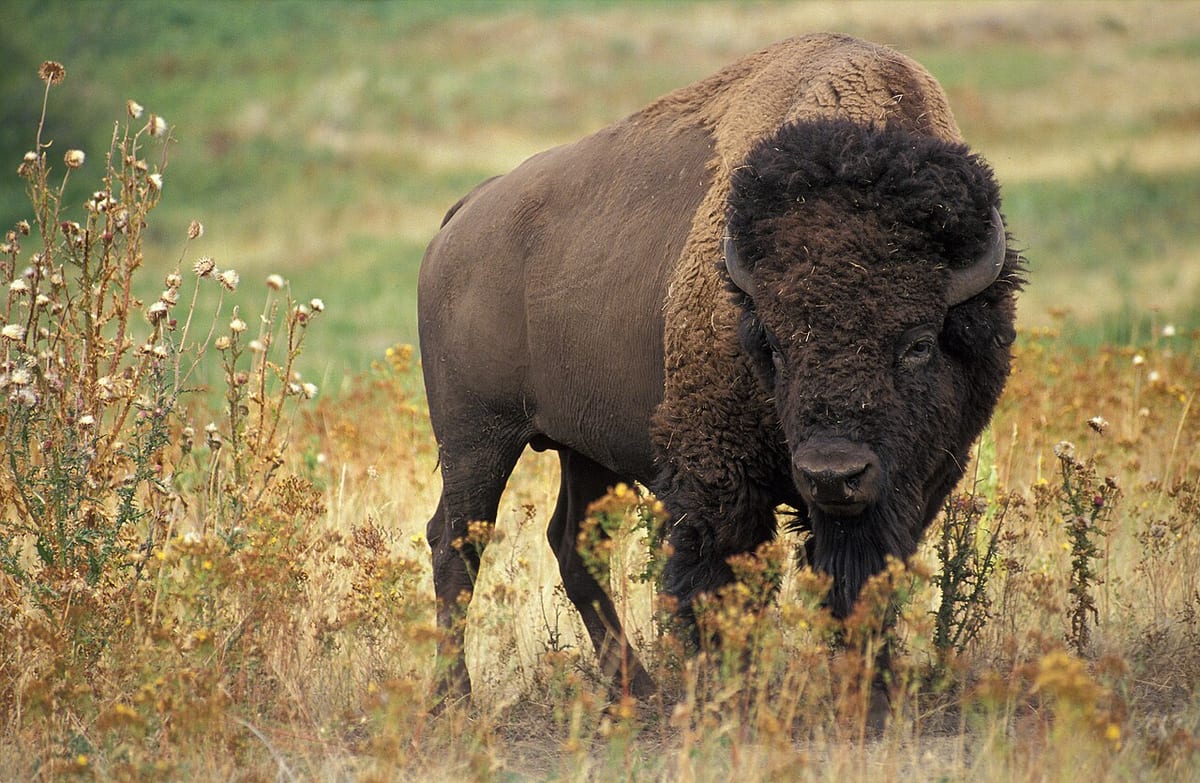
Photo: Jack Dykinga · Public domain · source

Every species in a region's dex has one of four tiers. The tier sets the points a sighting is worth and the colour and shape of its pin on the map.
- Common, a circle: the species most people record most often. 10 points.
- Uncommon, a square: seen regularly, but you have to go looking. 25 points.
- Rare, a diamond: a few records a year in the region. 60 points.
- Legendary, a star: the rarest residents, and every Endangered species. 150 points.
The grade you give the sighting, one to five stars, multiplies that: a five-star look is worth double a one-star glimpse.
Where the tiers come from
The tiers are not opinions. For each of 314 regions, every country plus the Canadian provinces and US states, the catalogue counts the research-grade observation records people have shared under open licences since 2005. Within each group of animals in a region, the most recorded 30 percent are Common, the next 35 percent Uncommon, the next 30 percent Rare, and the last 5 percent Legendary. Species that turn up only as rare visitors are listed as Vagrants and kept outside the completion count, so a once-in-a-decade bird does not haunt your progress bar.
Two overrides sit on top. Any species listed as Endangered or Critically Endangered in the region is Legendary there, whatever its record count. And a species on the protected list is never shown at its real location on the community map, for everyone, always.
Why the same animal changes tier
Bison are Common in a handful of places where herds live in parks, Rare in most of the west, and absent from most of the continent. The dex follows the records, so the tier you see depends on which region you are looking at. The species page lists every region with its tier and dex number side by side.
What this means for your log
Points come from the best single sighting of each species, so logging the same Mallard every day does not add up; finding your first Uncommon does. The quickest way to climb is breadth: new species, and the odd trip to a region with a different list.
Log what you see
Pocket Wildlife is a free sighting log with a regional dex, rarity tiers, badges and groups. Get the app