
Five common birds to start your dex this fall
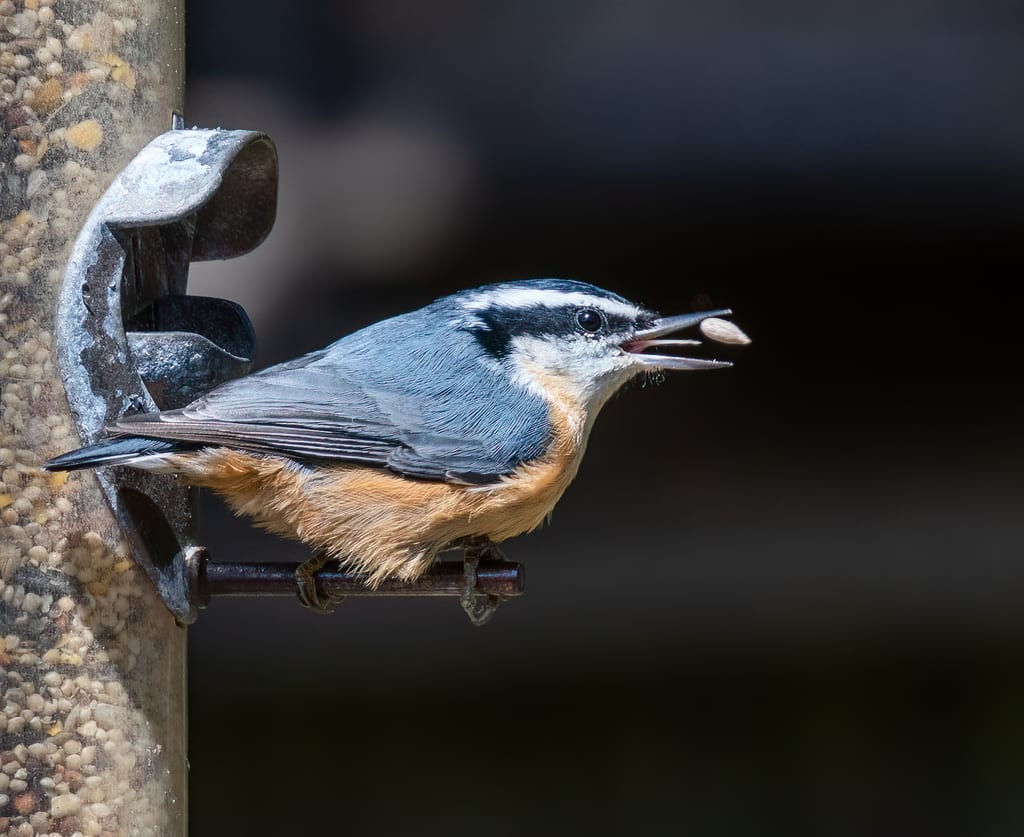
Photo: Claude Lyneis · CC0 · source
The first sightings are the hardest, because you do not yet know what counts. Everything counts. A Pocket Wildlife dex starts with the animals that are already around you, and in October that is mostly birds: the summer visitors have left, the winter residents are settling in, and a few migrants are passing through.
Here are five you can find in an afternoon, with what to look for and where. Each card links to the full entry, with every region that lists the bird and its rarity tier there.
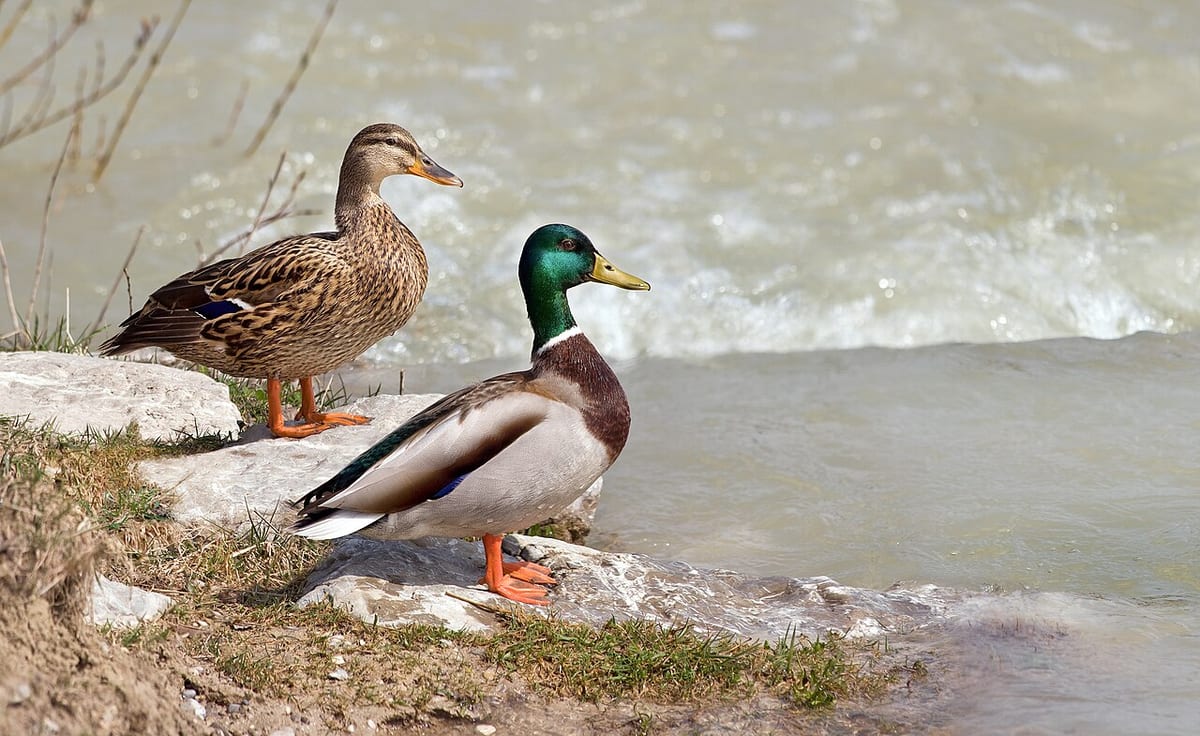
1. Mallard
The duck everyone knows, which is the point. The male's bottle-green head is unmistakable; the female is mottled brown with an orange bill and a blue wing patch. Any pond, river edge or stormwater lake will have them, and they stay all winter where there is open water.

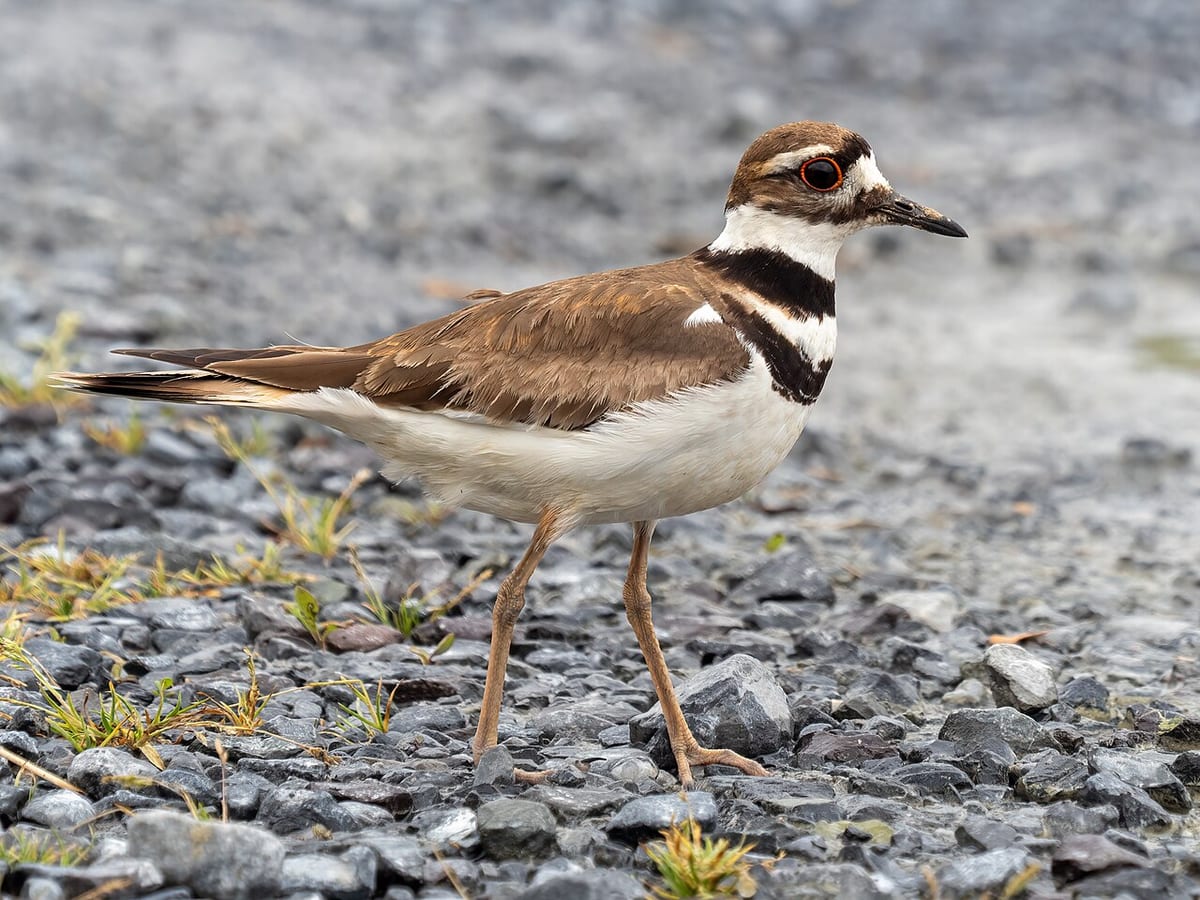
2. Killdeer
A shorebird that lives nowhere near the shore: gravel lots, playing fields, airport grass, the edge of any wet field. Two black bands across a white chest and a loud "kill-deer" call that gives it its name. If one runs ahead of you dragging a wing, it is leading you away from a nest; let it.
.jpg)
3. Red-breasted Nuthatch
Small, loud and upside down. Nuthatches work down tree trunks head first, which no other small bird does. The Red-breasted has a black cap, a white stripe over the eye and a rusty belly, and a tinny "yank-yank" call you will hear before you see it. Any spruce or pine stand, including planted ones in city parks.
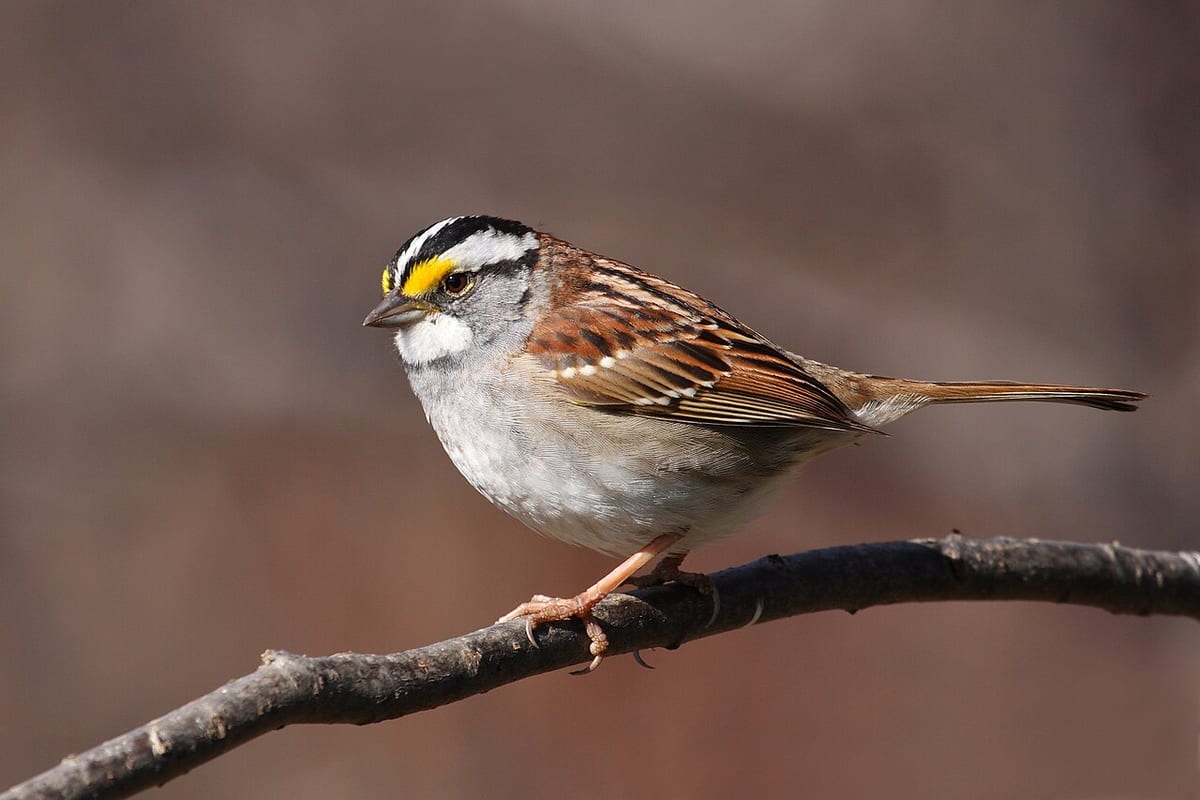
4. White-throated Sparrow
Sparrows feel like a trap for beginners, so start with the one that announces itself. A clean white throat, a yellow spot in front of the eye and bold head stripes, scratching in leaf litter under shrubs. Its song is often written as "Oh sweet Canada Canada Canada."

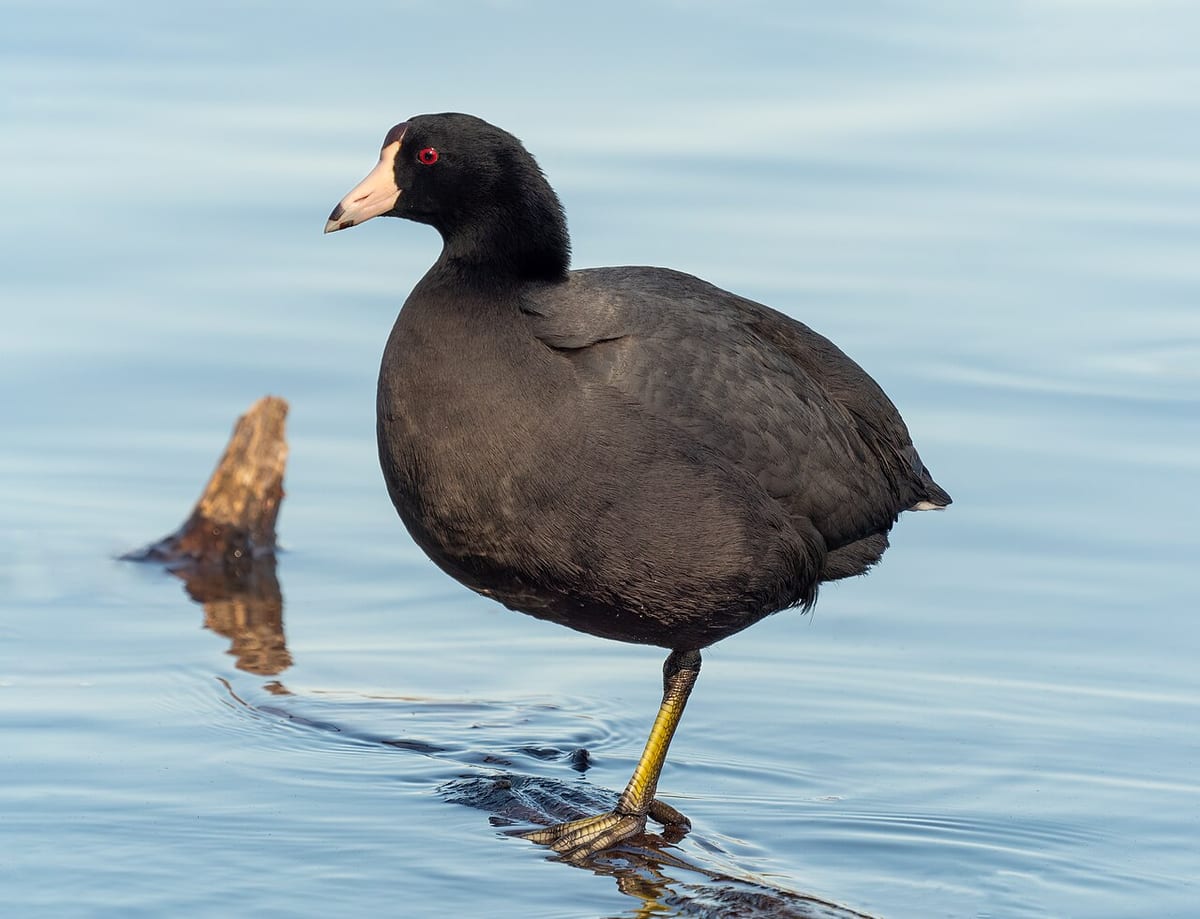
5. American Coot
Not a duck, though it swims with them. Slate black with a white bill and red eyes, bobbing its head as it paddles. Coots gather in big rafts on lakes before freeze-up, so one sighting can turn into a hundred birds.
.jpg)
Logging them
Open the Map tab, tap where you are, pick the species, and grade the look: one star for a glimpse, five for a long clear view. A photo is optional and stays private. Each of these five is a Common entry, worth 10 points at one star and 20 at five, and the first one you log earns the First Encounter badge.
Five Common birds is a quiet start. The next note is about the first Uncommon ones to go looking for.
Log what you see
Pocket Wildlife is a free sighting log with a regional dex, rarity tiers, badges and groups. Get the app